In this episode I chat with Annie Toth, a live event consultant, who works with entrepreneurs and community builders to help them plan and execute profitable in-person events. With a background in event planning and leadership development, Annie brings a wealth of knowledge and expertise to her clients.
Boost Your Business by Hosting Live Events
Listen to the Episode
Podcast: Play in new window | Download
Annie Toth, a live event consultant, shares her journey into the world of event planning and how she helps entrepreneurs and community builders create successful in-person events. She emphasizes the importance of putting the guests first and tailoring the event to meet their needs.
Annie also discusses the different types of events that can be hosted, such as workshops, parties, retreats, and conferences, and how they can be integrated into a business’s sales funnel. She provides valuable tips for planning and hosting live events, including having a clear purpose, focusing on the guest experience, and starting small to test the waters.
Key Takeaways:
- Live events should be focused on the guests and their experience.
- Events can be tailored to meet specific business goals, such as lead generation or upselling.
- Starting small and keeping it simple can be just as effective as hosting a large, elaborate event.
- Authenticity and connection are key in building trust with attendees.
- Planning and hosting live events can be a valuable addition to a business’s sales funnel.
Quotes:
- “It has to be about your guests first. You’ll absolutely get your time to shine.”
- “Make it easy on yourself. Leverage the resources that you already have.”
- “Focus on the guest experience and build the value first.”
- “Starting small and testing the waters can be a great way to begin hosting live events.”
- “Authenticity and connection are crucial in building trust with attendees.”
Meet Annie
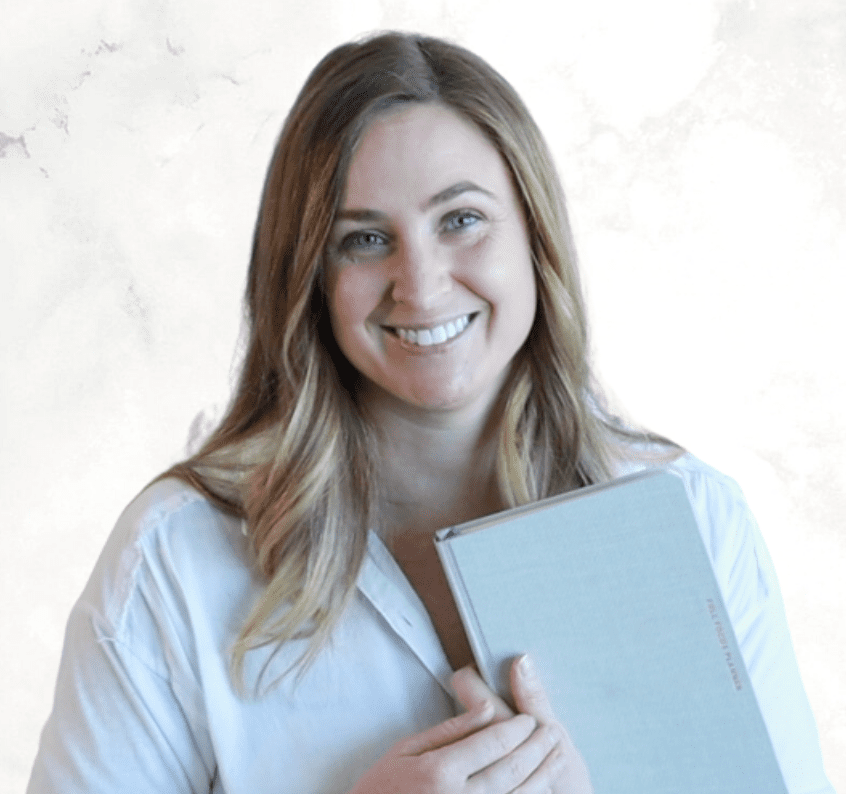
Annie Toth is a live event expert with 15 years of experience in the field. As an Event Consultant, she works with entrepreneurs and community builders to help them profitably bring their people together in person
Connect with Annie
- on her website: https://annietoth.com
- on Facebook: @annietothconsulting
Episode Transcript
Welcome, everyone. Today, I am here with Annie Toth, who is a live event consultant, and she works with entrepreneurs and community builders to help them profitably bring their people together in person.
Welcome, Annie. Thank you. Annie, the first thing that I like to do with all my guests is dig into what I call your origin story.
You’re the superhero of live events, and so tell me how you got to this point. Oh, my gosh. It was a total accident.
I went to college, and I was just a naive kid, and thinking about coming out of college, I had no concept of like, oh, yeah, when you graduate, you have to get a job, right? So, I happened to be working on campus at an event center, so people would rent out conference rooms and things like that, and I was an audio-visual technician, so I set up projectors and microphones and took care of clients, and someone one day said, well, what are you going to do when you graduate?
And I was like, what? Sorry? Why did I have to get a job? This gravy train is ending, and I said, well, you know, I’ve been working on events on this side, on the client side. I’d love to plan them. I think that would be really fun, and she said, well, did you notice the university is hiring?
They have an event planner position, so the university will often have, you know, a department that plans all of their alumni events and their fundraising events and things like that, so they had an assistant job open in this department, and so I applied for that, and I actually started working before I even graduated.
I like worked my own graduation, and so I had this wonderful opportunity because they did all sorts of events. They did a lot of like donor relations events, so you worked with these like very exacting people to create beautiful experiences for them so that the donor relations people could, you know, foster a good connection and try to ask these people for a lot of money, so it was a great training ground for both like putting on beautiful events but also customer service in this like very high-end environment.
I worked there for about three years, and this was through the the recession in 2008, so I was kind of stuck there, and you know, university is a non-profit, so I was making absolutely no money, and I decided to leave, and I ended up going to a place that did media production, so I did commercials and corporate videos and things like that for a short amount of time, and I simultaneously got my master’s degree in strategic public relations from George Washington University.
I also went to another non-profit, but this one did leadership development, so they put on all these courses where they get executives in from all over the world to take these classes, these leadership development classes, so I learned a lot there about short-term event planning because they’re there for a week, so you have a very short turnaround time, but they have beautiful systems in place, so you just would replicate over and over and over again and have this like short-term customer service, and you just turn around and do another one.
I learned a lot about how these events are built to be these like money-making machines, right?
They were making, gosh, a hundred and fifty thousand dollars a week off of like one class. It was wild, so they would just replicate over and over and over again, and they were turning out a fantastic product.
They obviously had a huge business in place to support it, but it was just a really cool model, and so I’ve had this little niche where I work with a lot of leadership development people now on their classes and helping them to sort of create the systems in place so that they can keep replicating over and over again. It sounds like you learned that there’s like a whole, like a replicatable system that you can use and like a recipe and just apply. You do this, you do this, you do this, and then and then you get money.
Yeah, exactly. They just, they keep rolling it over and over and over again. I think, gosh, I think it was like a seven million dollar product line, and that was in one location, and they have like five different locations around the world.
Plus, they do custom work, so it was a big, big business, and it was a non-profit which is wild, so a lot of the money just went back into their research and leadership development, but it was, it was pretty impressive. So I did that for many years, and then I ended up at a corporation doing high-end events there as well, and then started doing the consulting, doing event consulting with entrepreneurs and community builders, so that’s what I’m doing now.
Going into entrepreneurship, I knew I didn’t have a ton of time to do implementation as well, so that’s why I started doing consulting, and so I love working with entrepreneurs on the front end and helping them to think through an event as a business product and getting them set up for success because, you know, doing an event is so much more than just like hiring a photographer and getting some flowers, right?
When you’re in a business, you have to set your event up with a purpose that’s going to support your business in, you know, whatever way your product is set up as.
I love that, so you became an expert at actually doing the work. You’re actually running the events, and you’re like, look, I have this, I have this knowledge, I have this expertise, I can leverage this, I can make some extra money teaching people what I’ve learned and how to do it. I’m not actually like doing the work, but I’m teaching other people how they can replicate the same magic in their own business.
Here’s the formula. Here’s how you do it.
Yeah, and you know, there’s a difference between having an event planner, right, and then somebody who’s looking at it from a consultant side from a business side.
If you get a planner, and obviously I’m a planner, so I get it, but they’re going to ask you, you know, what’s your budget, what do you want to do, and they’re going to go do it for you. So I help answer those questions up front, right? Well, what is it going to cost me? Most people don’t know when you want to plan an event. They’re like, I have no idea where to start.
I know I want to bring my people together. I know I want to have an awesome time, but I don’t know what this is going to cost me. I don’t know where to have it.
I don’t know, you know, how do I market this? All of those questions that come before you actually execute and hire a planner, those are the things that I work with people on. So like the strategy of how do I put this event together? What do we want it to look like? And then that information can go to a planner who can then go do all the things for your client. Exactly.
Exactly. So I work with a lot of people who have teams already, and I just work with the visionary entrepreneur to help them understand, okay, what am I telling my team to go do? This is a great segue into, because we talk about live events, but there are actually a lot of different types of events that people could be running for their business.
Can you give us like kind of an overview of the different types and like what the benefits would be of each one? The cool thing about events, right, is that you can structure them in any way that’s going to support your business goals.
So when I talk to entrepreneurs about doing an event, I always break it down into what is your purpose, right? And I talk about primary and secondary purposes. So your primary purpose, you want to think about what’s in it for your guests.
So what are your guests getting out of it? Are they getting a transformation? Are they getting to spend time building a network?
Are they doing development? Are they just having fun? Is it a status thing where it’s like a C and B scene kind of thing? So what’s your primary event purpose? And then after that, we talk about what is it that you’re trying to accomplish for your business? Are you just trying to make money on the event? Are you trying to upsell to a more expensive service?
Are you trying to demonstrate your expertise or are you trying to get like marketing and PR out of the event, right? Once we understand sort of what you want to accomplish in your primary and secondary purposes, then we can structure an event that’s going to meet those goals.
So there in terms of, you know, event styles and sizes, I always say that like it’s great. You can start with like a group of three. Like you can do an event with three people and you can make it a profitable, wonderful, you know, retreat experience.
You can work all the way up to thousands of people. If you think about like a Tony Robbins, right? Does his master event, which if you haven’t seen, there’s a great Netflix documentary about it that I geek out about because they get all into the behind the scenes and how they make this work. But he has this massive event for like thousands of people and he makes like $10 million off of it.
It’s absolutely wild. So there’s really a range of events that you can structure to meet whatever your business goals are. I like how you broke it down first.
Like what is this going to look like for the attendees? What are they going to do? Are they going to learn something? Are they there to have fun? Are they there to develop some skills? Like focusing first on what people will get out of attending this, the experience rather than the dollars, right? It helps you focus on what’s important in terms of planning and strategy versus what’s going to make me the most money.
Well, you know what? Maybe that doesn’t actually align with how you want to serve your clients or how you want to grow your audience and things like that. So focusing on what actually is going to build the most trust with your audience.
You mentioned workshops, parties, retreats. Retreats are big. Everybody loves a retreat.
When we talk about retreats, a lot of people think of, you know, maybe like a cabin in the woods and restful times. But I always like to say like with a retreat, you’re looking for a transformation for the people at the end, right? A workshop you might have as a half day thing or a couple hour thing. And in a workshop, you’re going to teach them something really specific.
A retreat, you’re going to do like a multi-day thing and you’re looking for sort of a transformation over the course of that event. So those tend to be like the two biggest, right? You’ve got like a workshop or a retreat. And then we also see conferences where you’re going to bring in some other speakers who are going to be experts.
We see some hybrid events where they do maybe a conference style and then they’re also live streaming that event so people can buy a ticket to watch it online. It tends to be like a little less expensive for them to do that. Although I will say those events, you have to think of them as two in one, right? Because you’re thinking of two different experiences.
You’ve got an experience for the guests in the room and then you’ve got an experience for the guests who are watching online. And so that can be a little bit harder than just setting up your phone in the back with an Instagram live stream. You have to keep the virtual guests in the loop so they feel like they’re there and they don’t feel like they’re hey, just watch like they’re creeping and watching it on TV or something.
So it’s really more work involved than it sounds to create that engagement. What would be like examples of events that somebody in the health and wellness field could host that would be a logical part of their sales funnel and offer suite? Yeah, so think about two different ways, right? You’ve got sort of events that are lead gen, right? So if you’re familiar with a traditional online business model, that’s sort of like your webinar, right?
So in a traditional online business model, you’re going to build your email list, you’re going to put on a webinar that’s probably free or low cost, and then you’re going to get people out of that webinar bought in and hopefully buying into your upsell offer. So you can totally do that with a live event.
I know one client who does a networking event and they have it set on a schedule that’s every other month. They publicize it out through Eventbrite and through Facebook and through all of their networks and it’s free to attend. They kind of just use it as a loss leader, quite honestly.
They spend about $5,000 on a bar tab and then they have the opportunity to position themselves as the experts and the hosts at that event, right? So they’ll speak for a little while, they might highlight a client success story, but they get people in their networking together, right? And then out of that, they build deals for their business. So that’s one way you could use an event, a live event as a lead generation for your own business. And then the other way I think for health coaches and clients especially is to do a hands-on skills practical type event retreat or workshop.
So I have one client, they’re actually CrossFit coaches and they work with women specifically. And so they do a three day, they call it camp. So they sell spots to their camp.
People come out and they have an opportunity to meet the other ladies that they only usually get to spend time with online. They do very specific skills development. So they bring in a coach who teaches just jump rope.
They bring in a coach who teaches just barbell work. And then they also do a seminar on nutrition and nutrition for menopausal women. And then they go on a big long hike and they go to brunch and they have a nice time, right? So it’s a fairly simple structure.
It’s all hosted within their own gym, so they’re not dealing with a bunch of venues. And because they built a relationship with their clients online for so long, people are really clamoring to get to come travel and see and spend time with them in person, right? So those are just a couple of examples of, you know, things that you can very easily do with your existing clients who want to spend time with you in person and get to see you, you know, as the expert. Because when you do a lot of online work, right, you’re still kind of a not a real person in a way, right? You’re still behind a computer.
And I think when you get to see somebody in person, all of a sudden, you’re like, you’re their coach. It’s a very different mindset switch. And so it’s just so invaluable to get to have that in person time.
These are really good examples of people at specifically the health and wellness field. Like I know a lot of them will do a meal prep workshop, like, or it’s really hands on so you can see what it looks like to actually meal prep for the week, how do we cook food and prepare it and store it and things like that. And they actually get to see it hands on, try it out, they do it for free, and it’s Legion.
And then that brings people in and they say, you know what, I don’t want to do this. I’m seeing it, it looks great. But I don’t want to do this weekend.
We felt, can I just hire you to give me like all the information and then you can just upsell a service. Having that in person experience definitely solidifies that the trust and the relationship. Like you said, when you’re online, you’re a face on the screen.
It’s a whole different experience, that level of connection. You exist from the shoulders down. I can’t believe it.
And I would say also having like a VIP day. So your current clients giving them that opportunity, no exclusive access to you to do something in person. A lot of my clients are or my audience, yoga teachers, or they do fitness or movement.
Being able to have that one on one experience or small group in person really takes it up a level for your clients. And so these are ways that you could generate more revenue for your business, adding these at different places along your sales funnel. Real quick, I know you probably have stories and stories that you could tell about the mistakes that people make when they decide they want to host a live event.
They’re thinking this is going to be great for my business. What traps do they fall into? I think one of the biggest ones is what I hit on upfront is that it’s got to be people first. It has to be about your guests first.
You’ll absolutely get your time to shine. You get to be the host and you should always be a involved host. You don’t want to kind of leave people up to their own devices.
You have to be very active in steering the experience, but that experience has to be about your guests first. I had a client once that I actually had to fire because she was literally just wanted to have a vacation. And that was a whole reason she was having an event and she somehow thought she was going to sell 40 tickets to this event where it was basically a week long trip that she just wanted to pay for her and her husband.
And I was like, that’s not how this works. We are not building the next fire festival. I don’t know if you guys have watched the fire festival document on Hulu.
We’re not doing that. No, no, no. So that is number one.
It’s got to be people first. The next one is make it easy on yourself. I think a lot of people start thinking, oh, I got to go to a hotel.
I have to make it a big event. You can start where you’re at. You can start with one person VIP day.
You can start with three people. You can host them in your home or find a great space on like PierSpace.com. You don’t have to sink a ton of money into it before you know that you have a viable product. So don’t be afraid to start smaller.
I think a lot of people get caught up in what I call like the Pinteresting of business where everything looks like it has to be pretty. And what a lot of people don’t realize when they look at events on like a Pinterest board is that most of those are set up for photo shoots. They’re not set up for a guest experience.
It’s a very different thing. So you’re looking at something that’s built to be pretty and that’s where they put their money. They didn’t put their money into a guest experience.
So again, it goes back to that like keep it simple and focused on your guest experience. Okay. I love that.
So we’re focusing on the guest experience first. We don’t have to sink a ton of money into it. It doesn’t have to be really expensive.
We don’t have to go all out and it doesn’t have to be huge. We don’t have to have a thousand people there for this to be a success and it doesn’t have to look picture perfect. Yeah, absolutely.
A lot of people can now just like breathe a sigh of relief that in case they were thinking of doing something, it does not have to look like a magazine spread. You really want to focus on authenticity and being present and providing a great experience. If you’re focusing on that, I can’t imagine how you don’t benefit from this in some way.
Yeah, build the value first, right? And the value is in your client experience for sure. Annie, let’s talk about working with you. What does it look like and how can somebody leverage your expertise as they’re starting to offer live events in their business? Yeah.
So in that spirit of trying to meet people where they are, I have a couple of sort of entry offers on my website. I have a course, a mini course on pricing your live event. So if you’re interested in trying to figure out what is this going to cost me and what am I going to charge? I have a mini course that surrounds that.
I have a course around adding live events to your existing offers and then it builds up from there. So I work with people one on one. I have a sort of pick my brain consults where people who have an idea and they just want to flesh it out or they’re already planning an event and they want to sort of check it against my expertise and make sure that they’re on the right track.
I have a one hour consult where I do that. And then I work in VIP days with visionaries who are ready to just do it. And so we’ll spend time together talking through all their dreams and wishes.
And I get to come in and help them sort of flesh that out and say, okay, what’s realistic? What’s going to reach our business goals? And then I hand them a whole plan after that that they can work with their team and go execute and they get a little bit of support throughout that process to help them go ahead and finally execute that event they’ve always wanted to hold. Oh, that sounds dreamy. So now I’ve talked to you understand exactly what I need to do.
So now I have like a realistic expectation of how everything’s going to go. And I get a checklist. Hannah, love me a checklist.
Nothing is better than knowing like you didn’t forget anything and you can just confidently run your event or hand it off to somebody else who’s going to run your event because let’s be honest. Sometimes we need to outsource the stuff to people who know what they’re doing. And if you have event planners who are like, look, I know they already know they do this, right? So let the experts be the experts and you just you be the CEO.
Yeah, absolutely. And you know, oftentimes I think people go into events and they think I’m just going to do it on my own. And gosh, it’s so helpful to have another set of hands, even if it’s just a friend who’s there to help, you know, hey, I got to like run to CBS and grab something or, you know, hey, can you go check and see if the food has arrived yet? You know, just having that extra set of hands is so valuable.
So you don’t have to do this alone. So you have something for basically everybody on this on the spectrum here of where they are with adding live events. I’m just getting started.
I just want to find out more. I’m ready to do this. What’s it going to look like? Give me a list.
Give me that information I need so I can make it happen. We’re going to wrap up. But I want to get your top three tips about planning and hosting live events to grow your business.
Tip number one is have a purpose, right? You got to have a reason to gather. So make sure you have a purpose. Make sure that it is people first, which really reads into my second tip is put your guests first, right? It’s about their experience.
And then it’s about your business goals, right? So that’s tip number two. And tip number three is make it easy on yourself. You know, leverage the resources that you already have, leverage the clients that you already have.
It doesn’t have to be big and beautiful and perfect when you’re first starting out, right? Use it as a test balloon and just focus on that guest experience. I like that, like having that test, like keep your expectations low for your first event. Start small.
Yeah. If this is a fire festival, you want it to be in front of a small audience, right? At the dumpster fire, you don’t want it to be in front of a thousand people. You want to be maybe 10, right? Like test it out, see how it goes, scale from there and then, you know, see what happens.
Absolutely. Do it if you’re going to enjoy it because your guests are going to know if you’re, you know, being tortured by having to talk to people all day. For some people, it is an energy cost.
It’s okay if it’s not for you. That’s okay. That’s a really good point.
This is not going to be for everybody and that’s okay. Do what works for you. Yeah, absolutely.
But I know some people, they just, they crave people time. Like we are social creatures. This is fantastic.
So can we talk real quick about the freebie that you have for the audience? Yes. I have a free download that’s five building blocks that you need to host your first live event. You can grab that and I have a, I have, if I do say to myself, a really good email list.
I love writing my emails and so I’m always telling sort of behind the scenes stories about events that have gone great or events that have gone a little bit wrong, which is always entertaining. So I always try to put some good value in there for my email list, which they get, you know, something for me every week. So I try to be consistent with that and just make sure that people are getting value from me as much as possible.
I’m going to have all the links in the show notes. Everybody can come and find you and start figuring out how to make live events part of their profitable business. Annie, thank you so much for taking the time to come and talk with us today.
My pleasure. Thank you. Thanks for listening.
And if you liked this episode, go ahead and leave us a review on iTunes or wherever you listen to podcasts and be sure to subscribe. So you’ll be notified when the next episode is live. Check out our show notes for this episode where you can find any of the links and resources that were mentioned during the show.
Thanks for listening and we’ll catch you in the next episode.