Table of Contents
Listen to the Episode
Podcast: Play in new window | Download
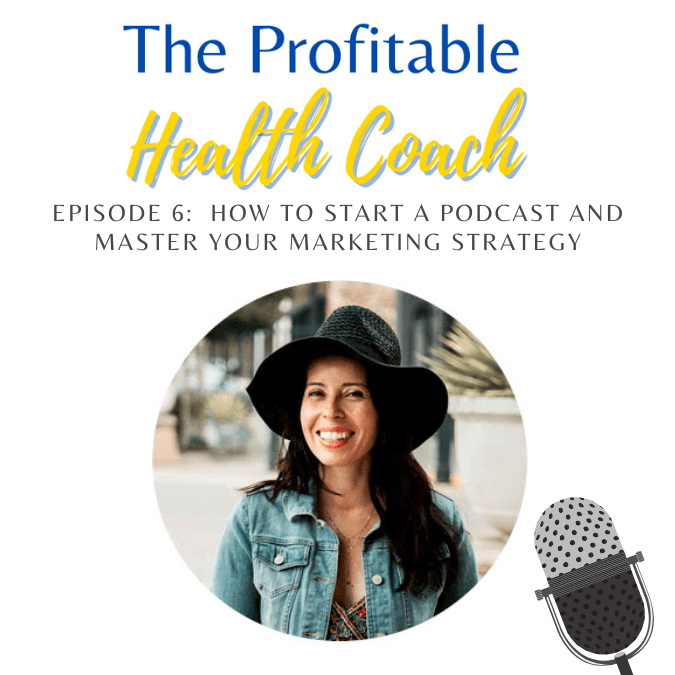
In this episode, I chat with Raphie Wagner, a podcast coach and expert, about how creating a podcast to attract and connect with your community can be a great marketing strategy for any online business.We talk about what you need to know to get started, what to avoid on your podcasting journey, and how you can streamline your marketing strategy by creating multiple pieces of content for several platforms from just one podcast episode!
Meet Raphie
Check out the next episode in the series: Boost Your Business With a Podcast – Part 2
Episode Transcript
Welcome, everyone. We are here with Raffi Wagner, and she is a podcast coach.
We are going to talk all about podcasting and how this could be an amazing tool for your business. Welcome, Raffi. Thank you.
Hi, thanks for having me. I’m looking forward to it. So, let’s just dive right in.
And I want to talk about, because to me, you are like my go-to podcast person. I, you know, I have my own podcast, clearly. I have a couple podcasts, and you have been an amazing resource for me.
So, I want to know how you got into podcasting and how you became basically this podcast guru. Absolutely. My adventure started in 2018 when I realized that there was a such thing called podcast movement, the big conference where, you know, podcasters from worldwide come and hang out, and there’s a conference and a lot of different things.
And when I first saw that, that’s when I was like, okay, I have to explore podcasting. I probably didn’t even really listen to too many podcasts to mid-2018. And then that just ramped up as soon as I realized that there was such a thing.
So, I was a podcast listener first. Then I created a podcast in 2019, and I went to podcast movement, though, in 2019. And it wasn’t until after that that I launched my podcast.
That the energy from all the podcasters there kind of just put me in action mode. So, I came back and I launched my first podcast. What was it called? I got to jump in.
What was it called? Tell me about your first one. My first one was just Not a Mama. So, it’s for child-free.
At that time, it was for child-free women. So, it was Not a Mama, and it was for child-free women. And that was my first lesson of how to handle when things don’t go right.
Because that podcast was completely lost during a transition and migrating from one host to another. Oh, no. So, you lost all your stuff? Completely lost everything.
Oh, I hate that. That was a lesson of backing up audio. That was a lesson of really understanding how to do the migration, really understanding how to pick a host, and understanding the Apple connection.
So, for me, that was my first lesson of, okay, troubleshoot this, figure this out, and move forward. At that time, though, during that 2019, I also kind of started really connecting with a lot of leaders in the industry. And as I do with everything in my business and everything that I do about business, I tend not to go to the big, big, big names.
I tend to kind of start to seek the middles, I call them. And in doing that, I became very close friends and created a business-mentor relationship with quite a few women. And those women, we’ll talk about it, I’m sure, but those women have then created roles for me.
So, it was a complete blessing. But those relationships started in 2019. So, you started by creating your own podcast and then creating a network.
So, really getting into that, tapping into that community and building the network, okay. And tapping into relationships. I know we hear this a lot.
But there is so much power in building relationships and nurturing relationships and not just all social media and all, you know, jump on a call with someone and just have a, you know, a chat. That kind of thing. There is so much beauty and so many gifts in building true relationships.
Got it. So, and you didn’t go to it with a, what can you do for me? It’s how can I get into this world of podcasting, which seems to be like, kind of like an up and coming thing and it’s really getting big. And do you know how many podcasts there are right now? Like, I can tell you the latest statistics that I heard, which I think were in March, were, when you look at the statistic, you have to keep in mind, what you see is active and what’s out there are two different things.
Gotcha. So active podcast, I believe is under 900,000 and active meaning they published an episode within the last 90 days. Okay.
But if you look at podcast as a whole, how many that are out there, I believe it’s like 2.3 million. So that’s a, that’s a huge contrast. And I’m sure we’ll talk about this too.
There’s so many reasons that people start and never finish or start in just what we call pod fade. Oh, yeah, we’re going to talk about, we’re going to talk about pod fade. Yep.
There’s always a discrepancy with what’s active and what’s actually listed in these players. Okay. So you got in kind of like, so not like three or two or two to three years ago and you really just started like getting into the network, building relationships and getting into that community and being part of it.
Correct. So take me into now what you’re doing and how we’re using this expertise to help others start their podcasts. So how I’m using my expertise, my expertise has come from a lot of self-learning, self-teaching, and a lot of skills and connections through all of my mentors in the space.
And what has happened now is I work for two women that have been my mentors for quite some time and I work with them now in addition to my own business because they created positions and opportunities for me. So the two positions I hold are positions that were created for me. They didn’t exist until they came in contact with me and we started talking.
One of my connections actually became was started on Instagram and then she reached out to me and says, I see what you’re doing. Let’s jump on a Zoom and that’s how it all started. So now fast forward to today where I am a podcast coach and I am also a program manager for a certified podcasting coaching program that is rolling out at the end of 2021.
Okay, so what you’re saying is that you be based on your network and your relationships and because you were visible, so they saw the value that you were adding in terms of helping people set up podcasts and running podcasts and they reached out to you and they wanted to bring you in so that you could lend your expertise to their organizations, to their businesses because you were adding so much value. Exactly. And one of the things, it’s kind of current, so I guess it’s good to talk about.
One of the positions I hold right now, I was in a clubhouse room and they were doing like little hot seats for podcasters and I went up on a hot seat. They gave me feedback on my current podcast, which is called Not a Mama Life and it’s for child free humans.
So that was the new version of the podcast that was lost and she gave me feedback and it was Tracy Hazard of the Binge Factor and she gave me feedback and then I revisited another clubhouse room that they were doing and she noticed and checked on my podcast and noticed that I made the changes.
She right then and there invited me to be on that podcast. After that podcast recording, we stopped recording on Zoom and she said, I have to work with you. So that’s how one of the positions was kind of, and we created something because she didn’t really have something.
She had a few projects in mind. So we shortly after that episode aired, we jumped on a Zoom and she kind of went over the few positions that were potentials because they were projects they wanted to work on. And then she said her opinion of what she thought and I agreed with her that the best fit would be helping create this certified coaching program, podcast certified coach.
So can I ask what is a certified podcast coach? What does that entail? So that’s kind of where we’re going with this program. We are doing this to kind of distinguish the coaches that have the skills specifically for podcasting. Right now, there are a lot of life coaches, a lot of different coaches in different fields that have now turned into podcast coach.
And so our program is going to really provide a full scope type of education and we are going to be very different than what’s out there right now. So what I’m finding, and I’ve been in the online business space for a minute or two, what I’ve noticed is that you have a lot of individuals, coaches who create their own, they create their own business and they find a strategy that has worked for them and they get to a certain point and then they pivot and they say,
okay, now instead of being B2C, I’m going to be B2B and I’m going to show people, I’m going to show them how to replicate my success by following the map that I, following all the steps that I used to do this.
So maybe they’re not experts in actual business strategy but they know what worked for them and that’s a little bit dangerous because it’s anecdotal, right? Like that experience and that success is anecdotal at best.
Maybe they’ve tried a few different things but just because it worked for them does not necessarily mean it is something that can be replicated. And it’s good if they can kind of show, if they understand why it was successful, that’s helpful.
But I’m kind of one of those, I want to go straight to somebody who understands, who has the expertise of the strategy, not necessarily somebody who was successful following their own map and they managed to hit six figures, seven figures doing something, but they understand that there’s all of the techniques and the intricacies of the steps that need to be taken and the pitfalls and maybe like this is a good way to kind of dig into what are some of those mistakes that people tend to make when they’re starting a podcast?
Well, one of the mistakes is just exactly what you explained is following or hiring someone that does not have the unique insight and expertise to the podcast industry.
Podcast industry is very different and it changes all the time. And I personally don’t feel that a podcast coach can really say that somebody that’s doing something else can say that they’re a podcast coach if they’re not an industry insider, if they’re not getting the emails from the different industry insiders, if they’re not participating with other podcast coaches, you have to be in the game. Like you can’t, and just like you were saying too, it’s not cookie cutter.
Each and every podcast host and each and every podcast is radically different. I am working right now with one of my agencies. I’m working with about 30 different podcasters in launching and planning and doing everything.
And each one of those 30 is drastically different. So it is not a one size fits all and it should not be. And if you wanted to learn how to cook, you would go to a chef.
You wouldn’t go to your lawn service guy, right? Right, exactly. You know, so lawn service guy makes a main lasagna or something, but that doesn’t mean that they’re going to be skilled in all the different areas. Exactly, exactly, right.
So I think the biggest mistakes I would say, the first mistake is going in because you see it out there that it’s easy. It’s not easy. I’m laughing because that was… But that’s what we see out there.
It looks so easy and lo and behold, yeah. Right, because we get the message. We get the message, you know, back in the day when Anchor was hot before they were purchased by Spotify.
It was, oh, just grab your phone and create a podcast. Well, that’s fine if it’s like strictly like a hobby. But if you want to make money, if you want to get money from your podcast for your business, if you want to use podcasting as part of your marketing strategy, you can’t just grab your phone and go.
There’s a lot of other things you have to think about. So number one is thinking it’s easy. Number two is not knowing your why.
So why you want to do a podcast is different than why you went into business. Why you want to start a podcast is different than why you want to do this funnel or that funnel. You have to truly understand why you’re doing your podcast before anything else.
Then you kind of go from there. So the why is the cement of the foundation. And then from there, you can build.
The other thing is underestimating the time. The number one reason that people pod fade is lack of ideas and time. So if you’re going to edit your podcast, if you’re going to create episodes, if you’re doing all of these things, it takes time to do an episode correctly.
It takes time from everything from the episode idea to the research if needed, to the pre-production, getting yourself an outline, getting things together, recording, editing, then all the social media, then the blog posts, then anything else. It’s not easy. So you go in.
Can I toss in one thing that you did not mention that is kind of a time suck is one or two things actually investigating all of the different tools. So figuring out which tool you want to use for editing, recording your intro and all this stuff. And then the second one is actually learning how to use.
I mean, these are not easy. Like it’s not, I don’t even know what to compare it to. But it’s, I mean, like audacity is pretty straightforward.
But personally, I spent like a whole day, which was not a great use of my time, figuring out how to use audacity, how to tune, how to fade in music, how to fade out music, how to pick out music, how to do, you know, how to create a loop, how to do all these things. Not the best use of my time. I’m not going to lie.
But I mean, so figuring out which tool to use and then learning how to use the tool are also, you know, factor that in. Absolutely. So, and you don’t hear about that.
You know, you just hear, grab your phone, grab a mic, you know, all these things. And so there’s so many aspects. There’s so many aspects.
What tool you’re going to use for editing. Are you going to do editing yourself? Are you going to outsource editing, microphone conversations, all these different things. So what happens is pod fade, believe it or not, is ridiculously huge.
So I read a statistic that said 8 out of 10 shows on iHeartRadio like pod fade within the first like three months for six months. And that’s iHeartRadio. I mean, those are like their big productions.
So like they don’t even keep up with their own shows. So if a big huge company can’t keep up with it, then that gives you kind of a scale and kind of an idea of what pod fade can be and what happens. So it happens because you don’t have a plan in place.
So I always tell my clients that you need to kind of have a day or two or a couple weeks where you just have a plan to do a brain dump for episode ideas, a brain dump for, you know, who you want to interview or who you want to try to get on your show.
Just everything kind of just throughout all these ideas, Google Doc, Asana, whatever you use, just kind of get them out there. Then, not all in the same day, then another day, start to then tackle that and organize that.
But mind the time that you’re using to do that, I recently recommended to one of my clients that research should not be done on the same day that you’re doing like pre-production. So to really help to avoid the pod fade and burnout, choose a day or two that you’re doing research where you’re going to dig in. You can go into the rabbit holes.
It doesn’t matter. That should not be the same day you’re recording. That should not be the same day you’re typing out outlines or anything like that.
So coming up with workflows like that to kind of help you from getting burnt out sooner than you should. So this was something I was going to ask first because but we got a little soundtrack but that’s okay. So when we talk about you know the mistakes people make and things like that.
Knowing your why being able you know having the time to research all your tools. What else goes into starting a podcast? Like what would you say are like the three critical things that if you’re going to start a podcast you absolutely must do blank. You must go in with a schedule.
Like go in and know am I devoting an hour a week? Am I devoting 15 minutes a week? Am I devoting two hours a week? You have to go in knowing how much time you have to spend. I would say the second thing is going in with that organization. Whatever that is for you a Google Sheet.
I often use notes on my phone and just as I think of things and then I could copy and paste those and stick them in wherever I need them. So or awareness of time management and schedule organization. And then I would say number three is kind of two parts and I would say knowing your why and also knowing what your listener experience is going to be.
Oh let’s talk about that. Let’s dive into that. Your listener experience should not only be your content but your listener experience should also be what is your listener going to go through? Like how are you going to hook them in your intro or a teaser? And then your episode.
Is there going to be breaks in your are you going to have different segments? Are you going to have an ad for your own program? FYI if you’re going to have your own ads please put them in mid-roll. Don’t put them in the beginning and don’t put them in the end. And so you have to kind of go in with those thoughts and how you’re going to manage that for the listener experience because you want your listeners to stick around.
So if you have a huge long intro and then you talk about your program and then you get to an episode you’re not going to keep them. You’re not going to catch them or keep them. And then always remember that that intro you have my method and I teach this to my clients.
My method is do a teaser. A very quick like 15 seconds or less teaser. For my podcast Not a Momma Life my teaser is always a question.
And then that gets them thinking and it’s you know just a thought provoking question but it’s also my hook. And then I go into my standard recorded intro and then the episode starts. Oh so it’s kind of like the like what we’re going to talk about or what kind of like get some intrigue to like.
Yeah but don’t give too much. Another another technique that works a lot too is in that teaser drop a quote from the episode. Like a little sound a little sound right? So when you go back to post where you go back to production you can oh okay.
Yeah you pull out that quote or you pull out that good whatever you want to pull out and then put that in the teaser because then that’s enticing somebody to be like oh my gosh that sounds really good I need to listen to this episode. So almost like a movie trailer. Exactly.
But like much more condensed because you’re like right there. Yeah that’s a great to I’m gonna start doing that because I hadn’t been doing that but I’ve heard it and I was like it’s really cool. Yeah so I would say you could consider it a teaser or a hook.
So let’s get into if we have listeners who are like oh you know what I hadn’t really considered starting my own podcast but it sounds you know they’re making it sound like so much fun to work but it’s a ton of fun. So what would be the benefits for so somebody is a business owner and they’re thinking about it how would they benefit from hosting a podcast?
If they’re willing to do all this work and research and to carve out the time what would be how would this benefit their business? I would say you could look at your podcast as a marketing employee and it would benefit you because you could really do whatever you want on your podcast.
You could introduce new services you can introduce a coaching program you can introduce a book you can introduce a you know a show you can introduce yourself as a public speaker and your availability you could have your podcast as part of a funnel you could even take a public podcast and funnel some more qualified potential clients into a private podcast.
So there are so many different ways to create this. You could even do a podcast almost like a welcoming series. So when you first start your podcast, kind of what you would do in an email, you start to share what you do and what you offer.
I would not do too many different kinds of freebies. So if you’re starting new and you want to build your list, stick to just that one freebie. Don’t have one freebie for one episode and then a different freebie in the next episode.
You can direct them to your website, but just stick to a simple approach. Like any other kind of marketing, you don’t want to make things cloudy you want to make it very clear: one call to action and one offer.
If you’re doing something to build your list, there are creative ways to do it. I’ve seen businesses do an episode where you have to be on their email list to get the rest of the episode.
So there are different ways to do things, but I think being able to give your people whoever is looking for you and your services through your podcast an inside connection with you is priceless, really.
Because the percentage of people who buy from podcasters is quite high. And it’s high because it’s intimate.
When you’re listening to a podcast, you’re not in Starbucks listening to it on a speaker phone. You have it in your ear, or you’re in your car by yourself. Most of the time, it’s a solo experience.
So it is an intimacy that cannot be matched anywhere else. It’s not the same as reading a blog post, an email, or an Instagram post.
Even Instagram Stories and Reels those can be seen by millions of people if they go viral. A podcast can also be listened to by millions of people, but not all at the same time. It’s very intimate.
Not only that, but that listener is choosing you. They download that episode and press play, so they are giving you their time.
And content is what’s going to keep people listening to your podcast and keep that relationship and intimacy building. If you’re not providing quality content, they’re not going to stick around.
So what I’m hearing you saying is that it’s a great marketing tool. You can use it to build your list, promote a program, and develop rapport kind of fast-forwarding the relationship building with your subscribers and your audience.
One thing I’ve been doing is I have two podcasts. My other podcast is based on when I was a personal trainer and health coach. I had a website and my own coaching business.
When I moved away from that, I looked at the platform and thought, “It’s a shame for this to go to waste.” I still believe strongly in promoting body positivity, fitness, and the anti-diet movement.
So what I did was open it up as a collaborative platform.
For me, it’s about building a network of other professionals. I’m not getting anything out of it financially. I’m not selling anything. I don’t benefit from the people listening, because I’m not selling them anything.
But I am creating a platform for other health coaches, trainers, nutritionists, and dietitians who want to be part of something bigger.
So I’m building a community and helping them get their voices out and build an audience. And it’s so fun.
Because I’m not running it as a traditional business, there’s no pressure it’s just conversations. I get to let people talk about whatever they want, and it’s honestly so fun.
Now a smaller version of that is what I call podcast takeover episodes.
I allow someone in the child-free space usually someone who follows me on Instagram to record an episode and take over my podcast.
It’s the same idea: lifting up community members. I allow them to share links, although most don’t even do that because it’s more about the experience of creating and sharing.
Right now I’m running those until the end of the summer, and it’s a really fun format.
So it doesn’t even have to be a whole podcast strategy. It can just be a single episode idea.
If you want to do a solo podcast and more frequent episodes, you can invite experts or people in your industry to take over an episode.
It’s a real example of community over competition.
Everybody who comes on my podcast is a child-free human. Many of them have their own podcasts, are starting one, or have services — but it doesn’t matter.
I’m not doing it for that. I’m doing it to uplift everyone.
My whole mission is to spread awareness for child-free humans, and what better way than giving them space to speak?
There are so many different ways to create an episode and plan content. That’s something you need to consider before you start — what kind of episodes you actually want to produce.
For me, it was never a question. I knew I would do interviews because I don’t think people want to listen to me talking for long periods of time, and I don’t want to do that either.
I see myself more as a connector than an expert. I want to bring people together so we can all learn.
And can we go back for a second?
Because you mentioned content being king — and that’s important.
If you’re in the online space as a business owner, you need to be putting out content.
Google loves fresh content. If you’re posting your latest podcast on your website every week, that helps your SEO.
But if you enjoy podcasting more than blogging, that matters too.
I know so many people who say, “I want to build an online business, but I hate blogging. I hate social media. I can’t do it.”
And the question becomes: how do I build an audience or leverage that without forcing myself into a format I don’t enjoy?